Catherine M. Allchin Freelance writer based in Seattle. Food, Travel, Science
  • Home
  • Food
  • Drink
  • Science
  • Travel
  • Business

It Helped Catch Serial Killers. Can It Stop Elephant and Wildlife Poachers, Too?
2/14/22
Picture
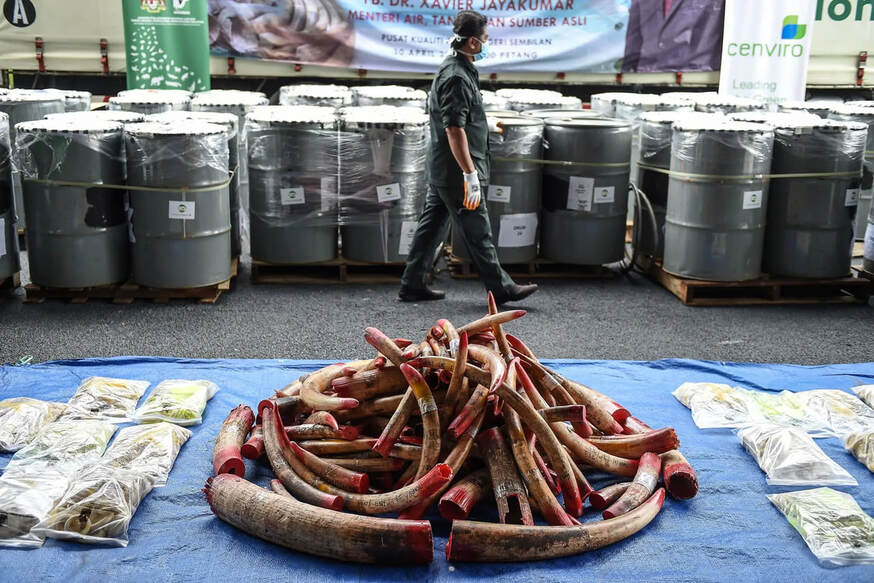
The New York Times - Cambodian law enforcement officials received a tip from investigators in the U.S. Department of Homeland Security. At the freight terminal in Phnom Penh, a cargo container — supposedly carrying legally harvested wood from an African country — was unloaded for inspection. The officials pried open large logs and discovered more than a ton of illegal elephant ivory and other animal parts, hidden in paraffin in the hollowed-out wood.

This haul, recovered about five years ago, was just a small fraction of the 500 tons of raw ivory shipped out of Africa each year, destined for illegal markets in China and Southeast Asia.

Nothing can bring back the elephants that were killed for their tusks. But a genetic investigation technique, familial searching, could help turn the tide against illicit hauls of elephant parts and other wildlife like the batch in Phnom Penh. Researchers detailed in the journal Nature Human Behaviour on Monday how they used the tool to link hundreds of individual tusks recovered from dozens of large shipments of illegal ivory, providing detailed information about how and where global crime networks operate.

Aquariums Hatch Unusual Plan to Save Endangered Zebra Shark
2/17/21
Picture
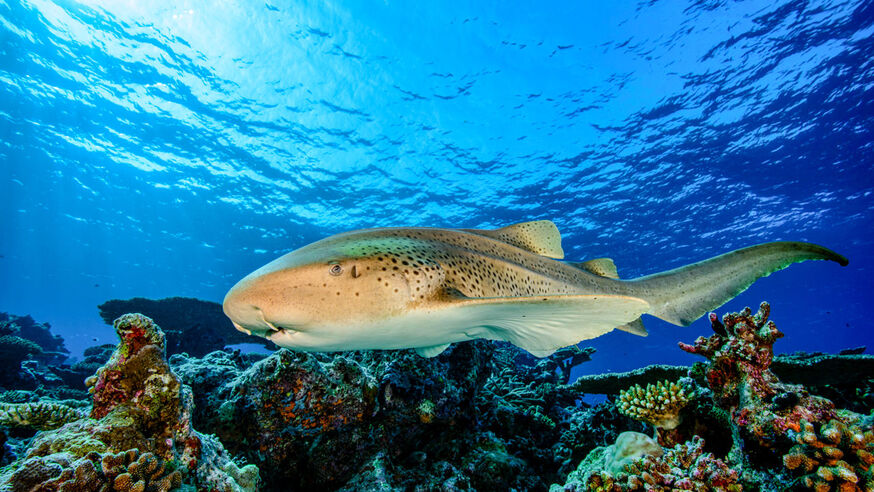
Science Magazine - A leopard can’t change its spots, and a zebra can’t change its stripes. But the zebra shark has long delighted ocean divers and aquarium visitors with its ability to transform the white bands it is born with into spots as it grows. Now, the endangered shark is grabbing attention for another reason: It’s at the center of an unprecedented effort to rebuild a wild shark population using eggs from aquariums.

"It is very important to us to protect and preserve this unique and charismatic species,” says Charlie Heatubun, a botanist at the University of Papua, Manokwari, and head of Indonesia’s West Papua Research and Development Agency, which is participating in the project.
​
The distinctive zebra shark (Stegostoma tigrinum, also known as the Indo-Pacific leopard shark) was a popular attraction for snorkelers and divers in Southeast Asia a few decades ago. Considered harmless to humans, the sharks are slow moving and spend most of their time in shallow reef habitats. In recent years, the shark fin trade has decimated S. tigrinum populations. In 2016, the International Union for Conservation of Nature (IUCN) elevated the shark to endangered on its Red List, and it is now likely locally extinct in several areas in Indonesia.

Grains of a Bigger Truth

3/12/19

Picture
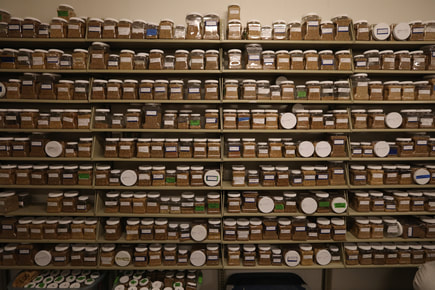
The Seattle Times - WHY WOULD Niels Brisbane, a former sous chef at Canlis, Seattle’s grande dame of fine dining, decide to commute 60 miles north to the Skagit Valley?

I drove to The Bread Lab/Canlis Research Kitchen in Burlington to sit down with Brisbane, culinary director. Despite its seven ovens, The Bread Lab is a bit chilly and dark on this morning — and surprisingly still. “It’s a pretty big space for a few people,” says Brisbane, referring to the staff of five, plus three graduate students. The quiet is totally different from a busy restaurant kitchen.

Brisbane, 28, wears a gray apron and jeans, holding a Washington State University coffee cup. He says he shares the Canlis family’s commitment not only to serving outstanding and innovative food, but also to making the world a better place. “There’s a bigger mission,” he says. “I didn’t want to spend my career feeding the elite.”

The Rise of Alternative Pollinators

8/21/18
Picture
The New York Times - OMAK, Wash. — JIM FREESE GROWS apples, pears and cherries on 45 acres in the north-central part of this state, on sagebrush-studded land his grandfather bought in 1910.Walking among trees laden with shiny red cherries, Mr. Freese recalled that four years ago his trees were not producing well and his farm was financially struggling.

​Like many growers, he had been relying on rented honeybees to pollinate his cherry trees every spring, along with wild bees and other insects.

But that year, spring was expected to be cool. “Honeybees will just sit in the hive in cooler weather,” Mr. Freese said. He needed a way to ensure more flowers would develop into fruit than in the past.

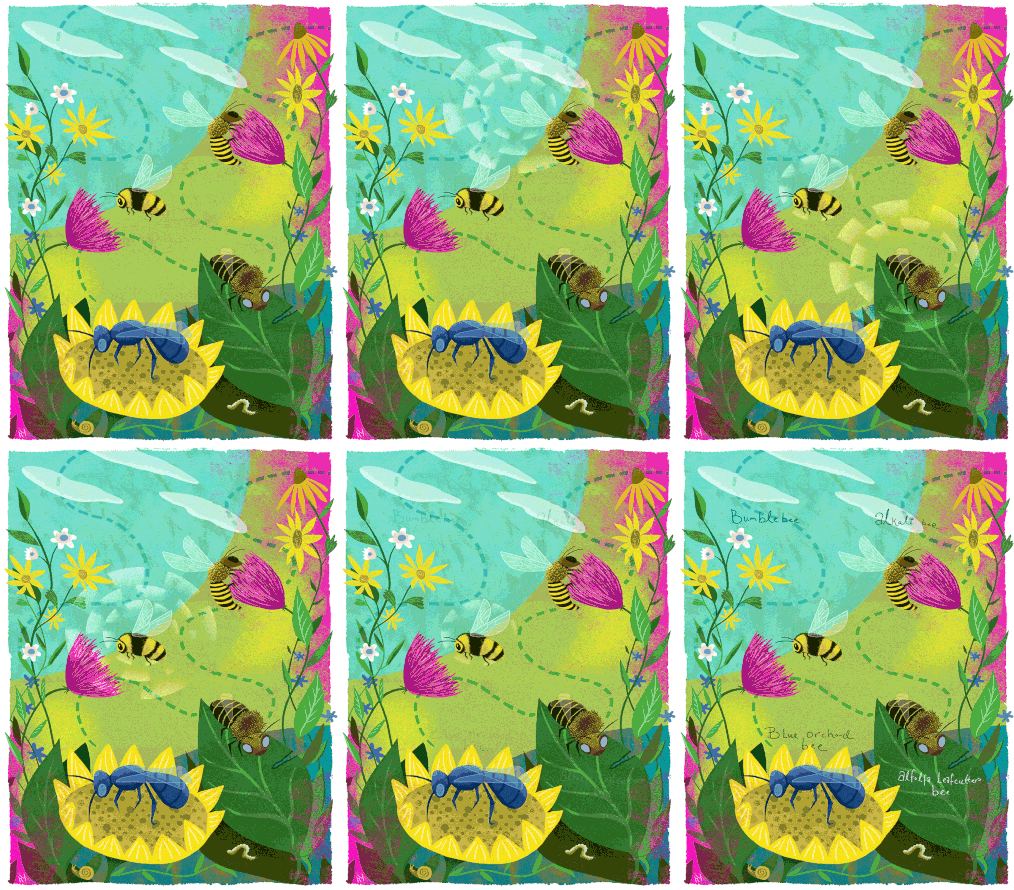
At a horticulture meeting, he learned that blue orchard bees — a native species that doesn’t make honey or live in hives — could be used to supplement honeybee pollination. Blue orchard bees will fly at cooler temperatures.

Mr. Freese bought 12,000 cocoons and set them in his orchard to emerge when the trees bloomed. His investment paid off. “We doubled our cherry production from any previous record year,” he said.

Food, Innovation and Resilience in the Face of Climate Change

4/19/18
Picture
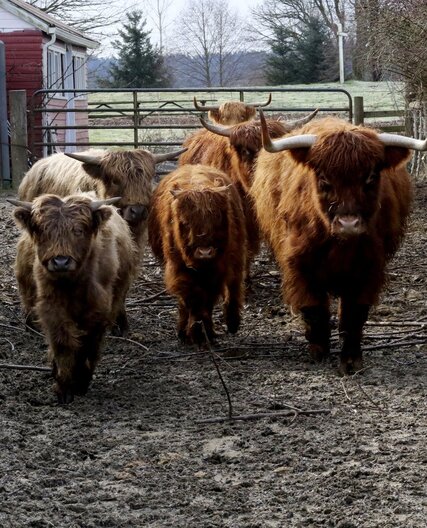
The Seattle Times - STANDING IN THE barn-red shed to avoid the pelting rain, Nick Pate looks out the door at his struggling raspberry patch. “They’re dying a slow death,” he says.

In past summers, berry lovers have visited Raising Cane Ranch on the banks of the Snohomish River for the juicy U-pick raspberries. But the plants started to die in 2012 because the soil is too wet, Pate says. If the farm is even open for raspberry pickers this summer, it possibly would be for fewer days.

“I’m bummed,” says Pate, in a knit cap and rain jacket. “The patch was fun. We liked it when people came out.”

He has planted cider apple trees — still small, in blue protective tubes — amid the berries, in hopes they will do better. “You have to be dynamic about meeting your needs,” he says.

Pate also planted blackberries where some of the raspberries died, and they’re doing well. In addition to berries, he offers beef, lamb and honey. Apples, currants and nuts are in the works.

Pate can’t say for sure whether he’s losing his berries as a result of climate change. But there’s no doubt recent years have been wetter than he had expected. And he’s planning ahead to mitigate future effects of climate change.

​Balancing Farmers' Needs with Fish Habitat Protection

4/19/18
Picture
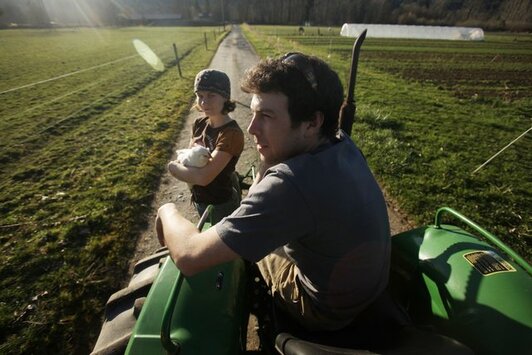
The Seattle Times - ALONG THE Snoqualmie River, between Seattle and the foothills of the Cascade Mountains, lies a fertile valley where Siri Erickson-Brown and Jason Salvo run the 20-acre Local Roots Farm. Local Roots grows about 50 vegetables to sell; star chefs Ethan Stowell, Renee Erickson and Matt Dillon are among its customers.

The couple has noticed a trend toward drier summers.

“It used to rain through July Fourth,” Salvo says. “Now it doesn’t rain from May to October. “One year we were irrigating right up until two weeks before we had a flood.”

That means Local Roots needs to irrigate more, which adds costs for equipment and payroll. Salvo says his vegetables could get more expensive, but global warming is only one of the factors increasing costs.
​
Like many farms, Local Roots pumps water from a river. Salvo worries about the impact of decreased snowpack and lower summer flows.

© 2025 Catherine M. Allchin. All Rights Reserved.